

Connect Specialist Therapy
A laughing toddler peering over the edge of the ball pit at the Connect clinic

Strategies that fit real routines.

A sensory diet is an individualised programme of sensory-based activities and strategies designed to provide the type of sensory input a child or young person needs to support regulation, participation and engagement throughout their day. Despite the name, a sensory diet has nothing to do with food; it considers how movement, touch, proprioception, vestibular input and other sensory experiences can be incorporated meaningfully into everyday routines.

Sensory support throughout the day.

Proactive and responsive strategies

Sensory strategies can be used both proactively and responsively. For example, if we know that a particular environment, transition or activity is likely to be overwhelming, appropriate sensory input may be introduced beforehand to support regulation and preparation. Equally, where a child needs additional sensory input to become more alert, organised or ready to participate, carefully selected activities can be incorporated into their routine.
Built around the child

At Connect, we recognise that a sensory diet cannot be effectively developed without understanding the child, their sensory profile and the environments in which they spend their time. We therefore work collaboratively with the child or young person, their family and education setting to develop strategies that are individualised, achievable and meaningful.

How we develop a sensory diet

Our Occupational Therapist will consider the child's assessed sensory needs alongside how they function throughout their everyday routines. This can include home and school consultations and observations, enabling us to understand how sensory needs may change across different environments, activities and times of day. We consider factors such as:

  • The child's individual sensory processing profile and preferences
  • Their responses to different types of sensory input
  • Patterns of regulation across the day
  • Activities, environments or transitions they find particularly challenging
  • Existing home and school routines
  • The physical and sensory demands of the environment
  • Opportunities for movement and regulation throughout the day
  • Equipment and resources already available
  • Additional equipment or environmental adaptations that may be beneficial
  • The child's interests and activities they naturally seek out or enjoy
  • What is realistic for families and education staff to incorporate consistently
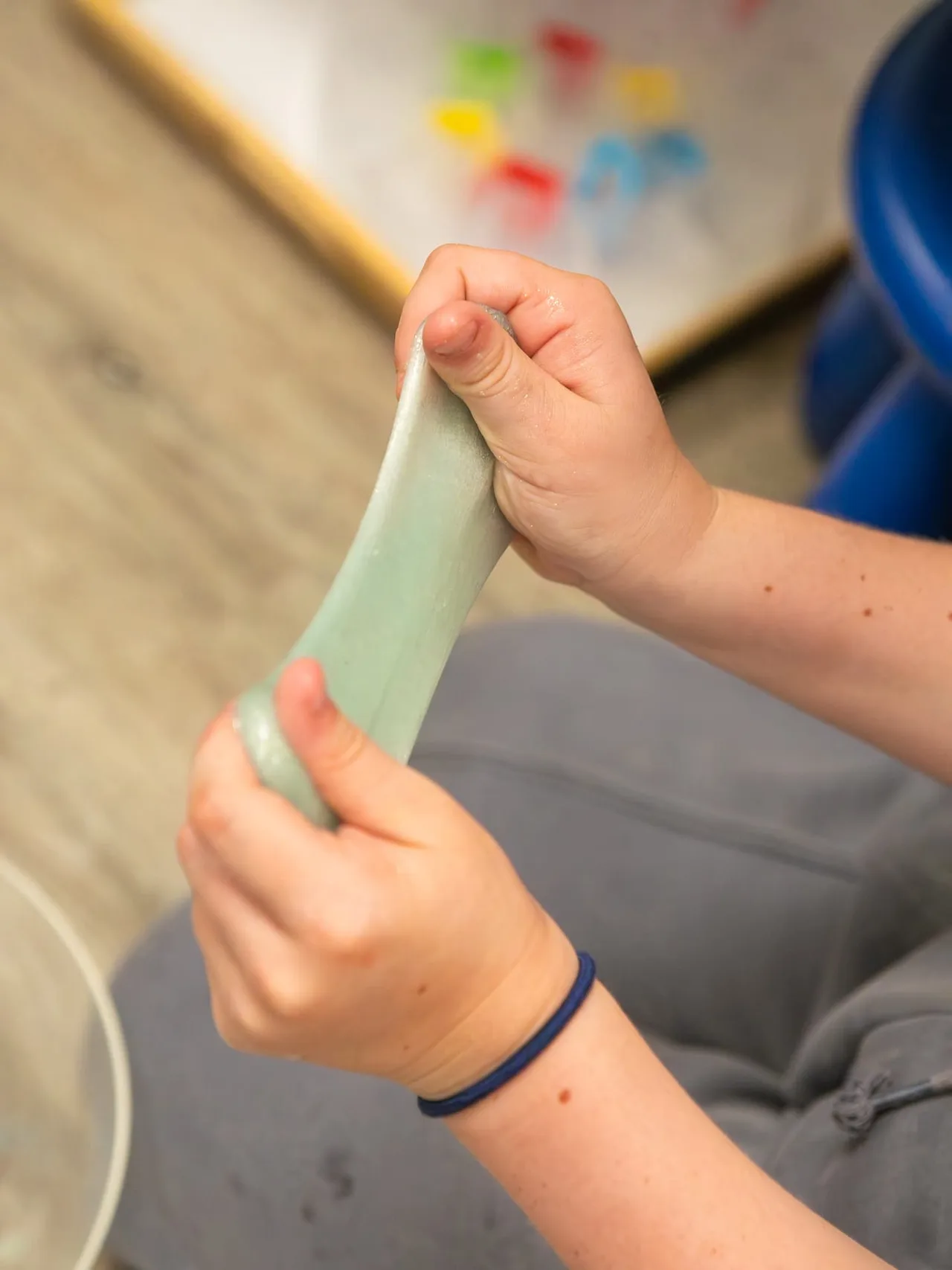
A child stretching green slime between their hands

The individualised programme

The Occupational Therapist then develops an individualised sensory programme which identifies appropriate activities, strategies and environmental adaptations and provides guidance around when, where and how they should be used. Wherever possible, activities are selected with the child or young person rather than imposed upon them. We want sensory strategies to be meaningful, motivating and supportive, helping the individual develop greater awareness of what their body needs over time.

Embedded into everyday life

A sensory diet is not designed to be something that happens only during a designated "sensory time". Strategies should be incorporated naturally into the child's home, school and everyday routines. Parents, carers and education staff therefore play an important role in facilitating the programme, with guidance and support from the Occupational Therapist. We work collaboratively with the adults around the child so they understand not only what to offer, but why a particular strategy has been recommended and what responses to look for.

Review & Adaptation

Sensory needs are not static. A strategy that is helpful at one point may become less effective as the child develops, their environment changes or they become better able to recognise and communicate their own needs. Our sensory diet programmes are therefore reviewed termly, where appropriate. Reviews provide an opportunity for the Occupational Therapist to discuss and observe how the programme is working, identify positive or negative changes in regulation and participation, and consider feedback from the child, family and education team. Activities, frequency, timing, equipment and environmental strategies can then be adapted, progressed or removed according to the child's current presentation and functional needs.

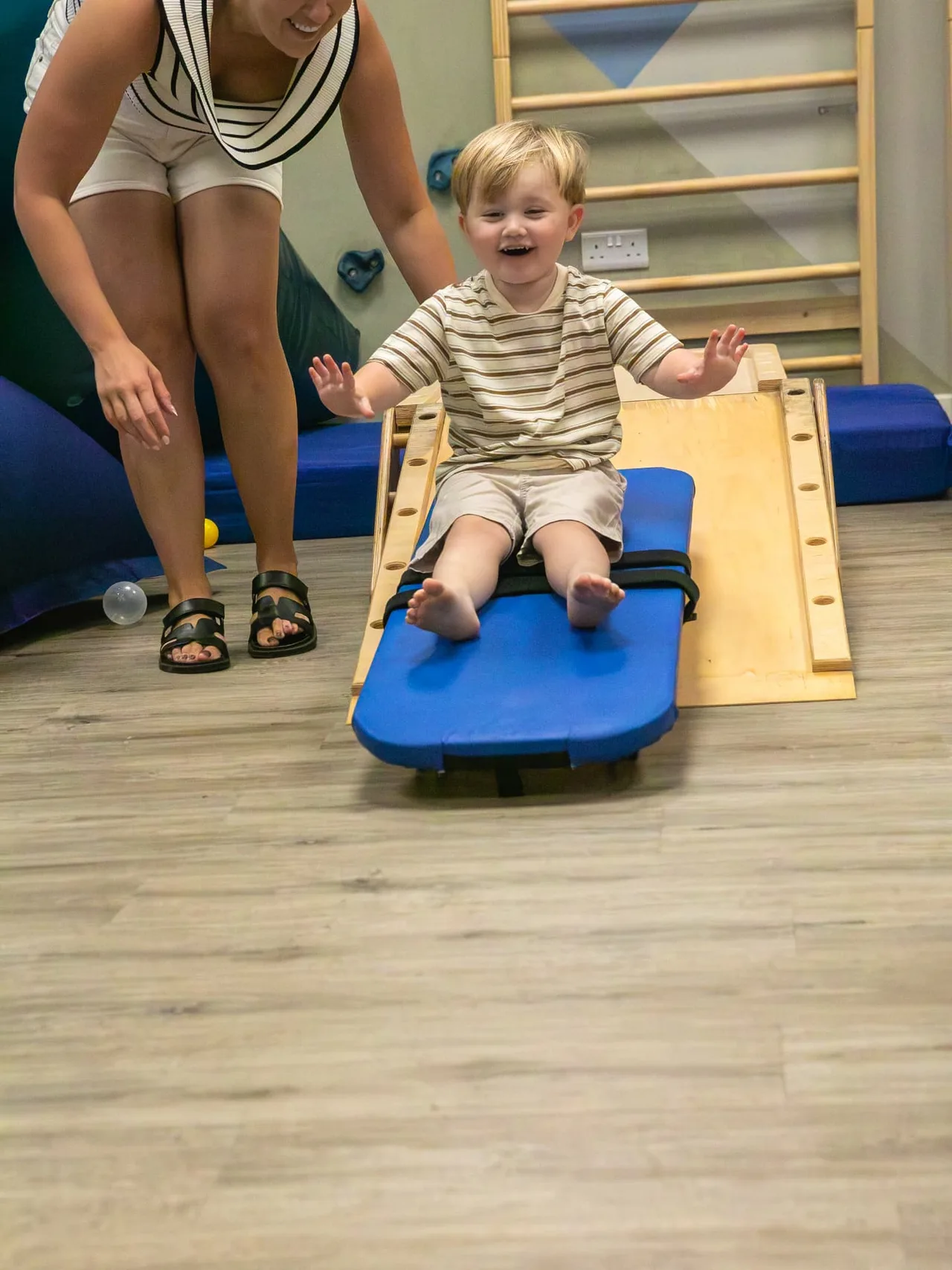
A laughing toddler on a scooter board with the therapist

More than a programme

Our longer-term aim is not simply for adults to deliver a programme to a child. Wherever developmentally appropriate, we want children and young people to develop greater understanding of their own sensory needs, recognise what supports them and increasingly advocate for and access the strategies that help them participate in everyday life.

Not sure where to begin?

We'll help you work out the right next step.

Let's talk

Ready when you are.

Start with a free 30-minute conversation about your child, your questions and what might help.

Talk to our team