
Connect Specialist Therapy
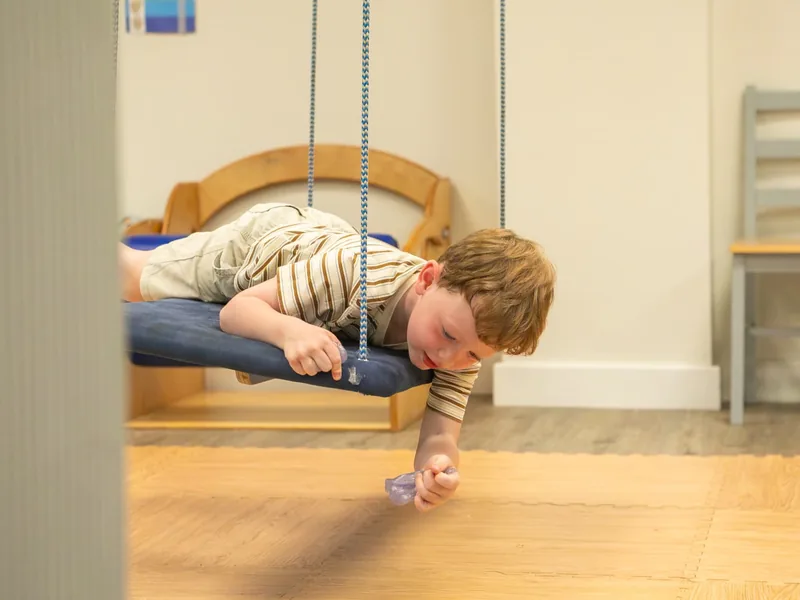
A young boy lying on his tummy on a therapy swing, reaching down to the floor

Understanding sensory processing.

Our Ayres Sensory Integration Therapy Assessment provides a comprehensive understanding of how a child or young person processes and responds to sensory information and how this may be influencing their participation in everyday life.

Exploring your child’s sensory needs.

What is sensory integration?

Sensory Integration organises sensation from one’s own body and from the environment and makes it possible to use the body effectively within the environment. It helps us to do the things we need to do in our everyday life.
How sensory processing can impact everyday life

Sometimes there is not enough or there is too much information and this impacts on the individual’s response to the sensory input. Difficulties with sensory processing may impact on a child’s ability to:

  • Move — running, jumping, riding a bike, climbing
  • Complete personal care activities — such as fastening buttons and zips, holding a knife and fork, using the toilet, dressing and undressing
  • Leisure skills
  • Concentration, sitting still and gross and fine motor skills

Everyone responds differently

Individuals may also respond to sensory stimuli differently. Some individuals may be over-responsive or under-responsive to sensory stimuli, which may impact on regulation:

  • Responses to sensory stimuli — e.g. sensitive to loud noises such as hand dryers or alarms, touch such as teeth brushing and being hugged
  • May seek sensory stimuli — e.g. spinning, rocking back and forth in chair, chewing on non-edible food items
  • Concentration and attention — e.g. having difficulty listening and retaining instructions, easily distracted, unable to sit still, may appear not to be listening
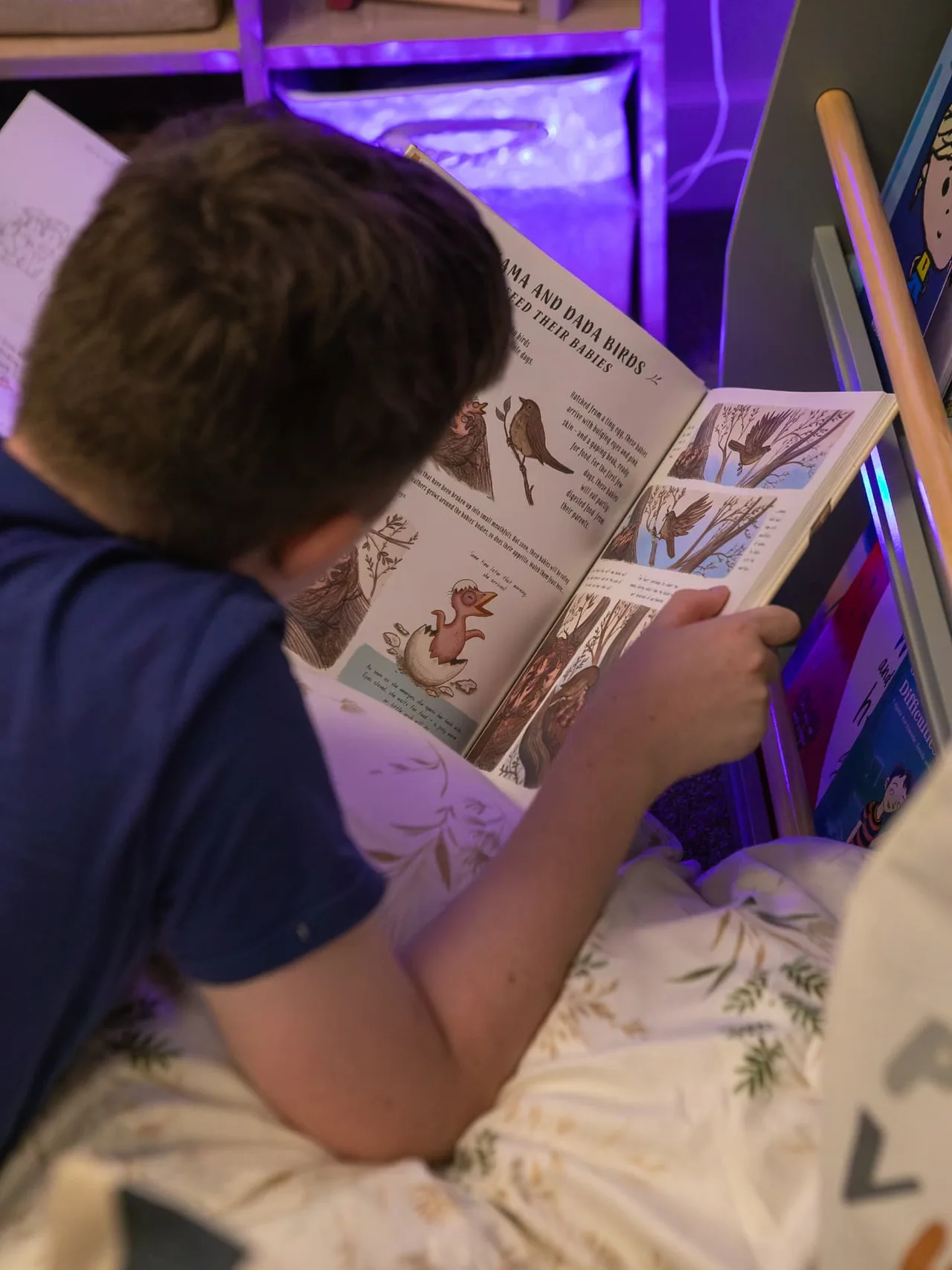
A boy reading a book about birds under the soft purple light

What the assessment brings together

The Ayres assessment draws on several sources to understand the young person across different environments:

  • A detailed Occupational Therapy history
  • The Sensory Processing Measure (SPM)
  • Specialist clinical observations within our Sensory Integration clinic
  • Where appropriate, an observation within the child’s school or education setting

What the assessment explores

This allows our Occupational Therapists to understand the young person across different environments and explore areas including sensory processing, regulation, postural control, coordination, balance, body awareness and praxis (motor planning).

What you receive

Following assessment, families receive a comprehensive Occupational Therapy report, bringing together the assessment findings and their functional impact, with clear, individualised and practical recommendations for home, school and everyday life. Where appropriate, the report will also identify whether further specialist assessment or Ayres Sensory Integration® intervention may be beneficial.

Not sure where to begin?

We'll help you work out the right next step.

Let's talk

Ready when you are.

Start with a free 30-minute conversation about your child, your questions and what might help.

Talk to our team