Connect Specialist Therapy
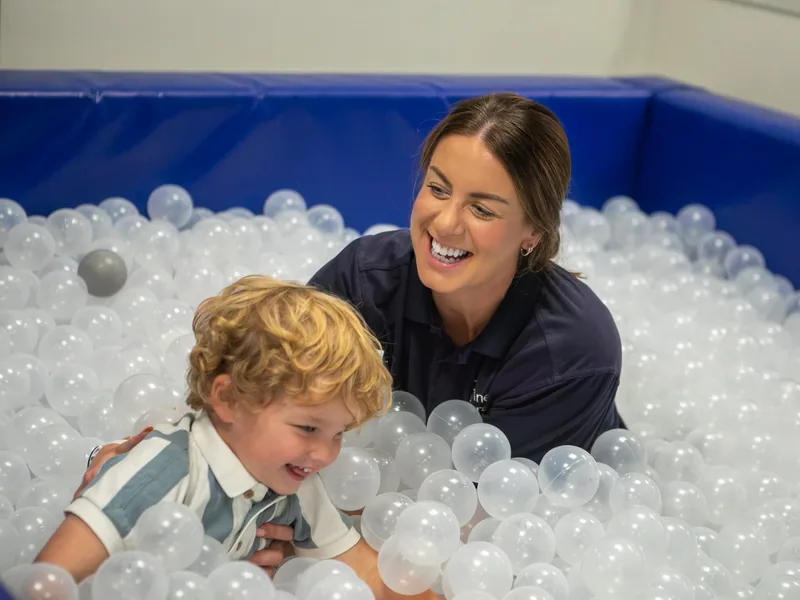
A Connect therapist and a laughing toddler playing together in the ball pit

We see the whole child.

Connect Specialist Therapy is an award-winning specialist Therapy service, supporting children and young people aged 0–25 years, their families, schools and the professionals around them in Yorkshire and Lincolnshire.

Our approach to care.

What We Do

We specialise in working with children and young people with SEND, neurodevelopmental differences, sensory processing needs, trauma and attachment difficulties and barriers to participation in everyday life. But at Connect, we see far more than a diagnosis, behaviour or list of difficulties. We see the whole child. We take time to understand who they are, what matters to them, what they enjoy, what they find difficult, how they experience the world around them and what may be getting in the way of doing the things they need and want to do. Our role is to help children and young people understand themselves and their needs, while giving the adults around them the knowledge, practical strategies and confidence to support them.
Who We Are

Connect was founded with a clear belief: Children and young people deserve to feel understood, included and supported to participate in life as themselves. We are a specialist team with experience supporting children and young people with a wide range of developmental, sensory, emotional, functional and educational needs. Our work is grounded in Occupational Therapy, but our thinking extends beyond the therapy room. We consider the child or young person within the context of their home, family, education, relationships, community, environment and everyday occupations. Because a child does not experience their needs in isolation — and support should not happen in isolation either.

Neurodiversity-Affirming Practice

Being neurodiversity-affirming is central to our approach. We recognise that different brains experience, process and respond to the world differently. Our role is not to make a neurodivergent child appear more neurotypical, encourage masking or teach them to suppress who they are. Instead, we support: Self-understanding. Autonomy. Regulation. Participation. Confidence. Independence. Self-advocacy. We listen to the child’s experience and recognise their strengths alongside the areas of life they are finding difficult. Sometimes intervention is about developing skills. Sometimes it is about finding a different way of doing something. And sometimes the most important intervention is changing the environment, expectations or understanding of the adults around the child.

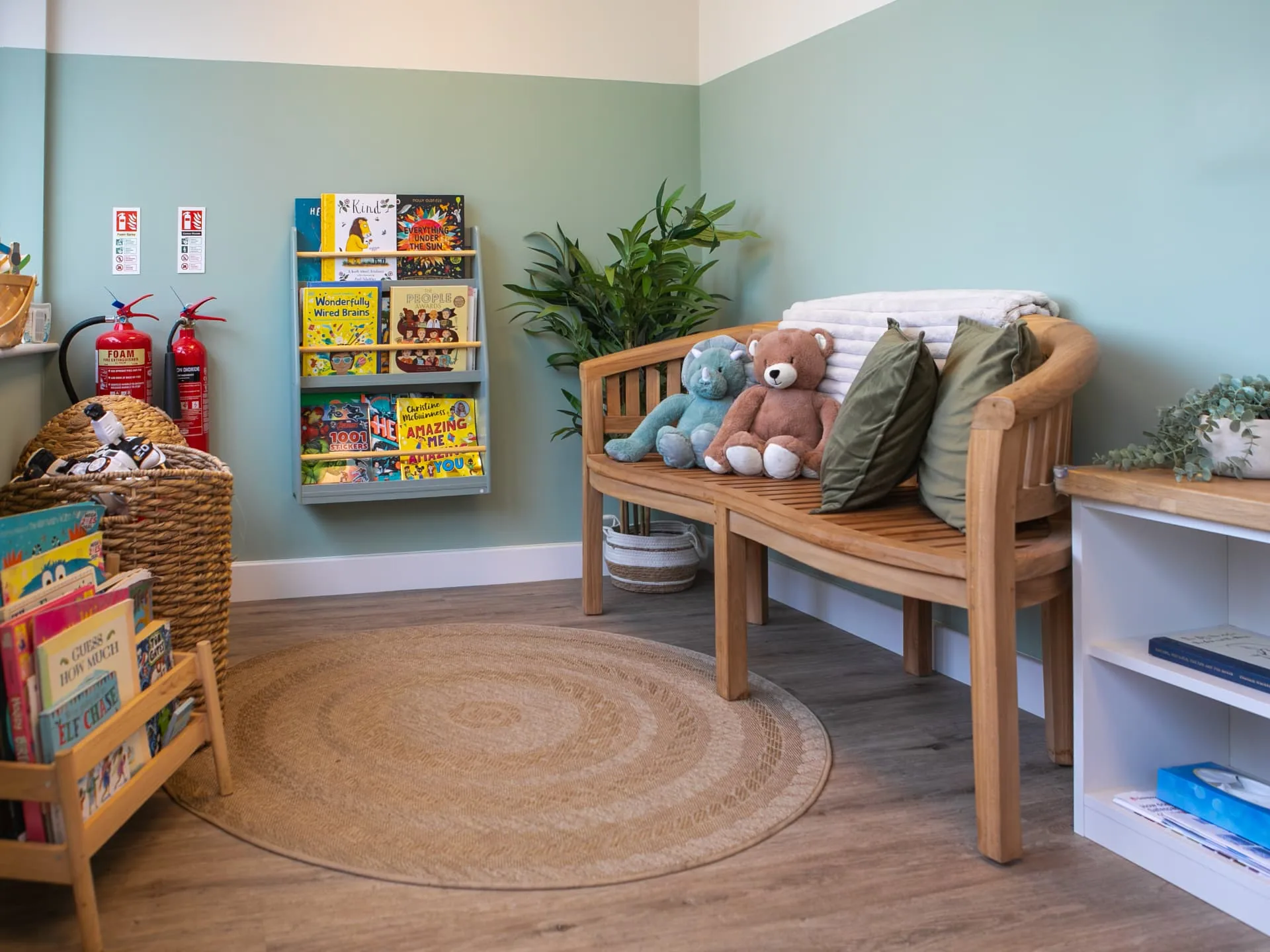
The Connect waiting area with a wooden bench, soft toys, cushions and a bookshelf of children's books

Who We Support

Our therapists are highly skilled to support children and young people with the following diagnoses:

  • Sensory Integration Difficulties
  • Mental Health Difficulties including anxiety
  • Emotional Regulation Difficulties
  • Autism Spectrum Condition
  • Attention Deficit, Hyperactivity Disorder [ADHD]
  • Developmental Co-ordination Delay
  • Learning Difficulties
  • Trauma and Attachment Difficulties
  • Chromosome Conditions
  • Genetic Conditions

Our Specialist Clinic

Our specialist clinic has been purposefully developed to provide a welcoming, flexible and supportive environment for children, young people and families. It includes dedicated assessment and therapy spaces alongside specialist Sensory Integration facilities and equipment, allowing our Occupational Therapists to complete comprehensive assessment and direct intervention. But we never wanted Connect to feel like somewhere a child simply comes to receive therapy. We want it to be somewhere children and young people can feel safe, explore, connect, be curious and be themselves. Our spaces allow therapists to adapt sessions around the individual rather than expecting the individual to adapt to the therapy.

Supporting Children Where Life Happens

Occupational Therapy is about everyday life, so our work isn’t limited to our clinic. Depending on the needs of the child or young person, we support across: Our specialist clinic | Schools and education settings | Home | Community. Working across environments can help us understand not only what a child is finding difficult, but why their participation may look different in different places. A child may demonstrate skills in one environment but find them significantly more difficult in another. Understanding the interaction between the person, their occupations and their environment is a fundamental part of our Occupational Therapy approach.

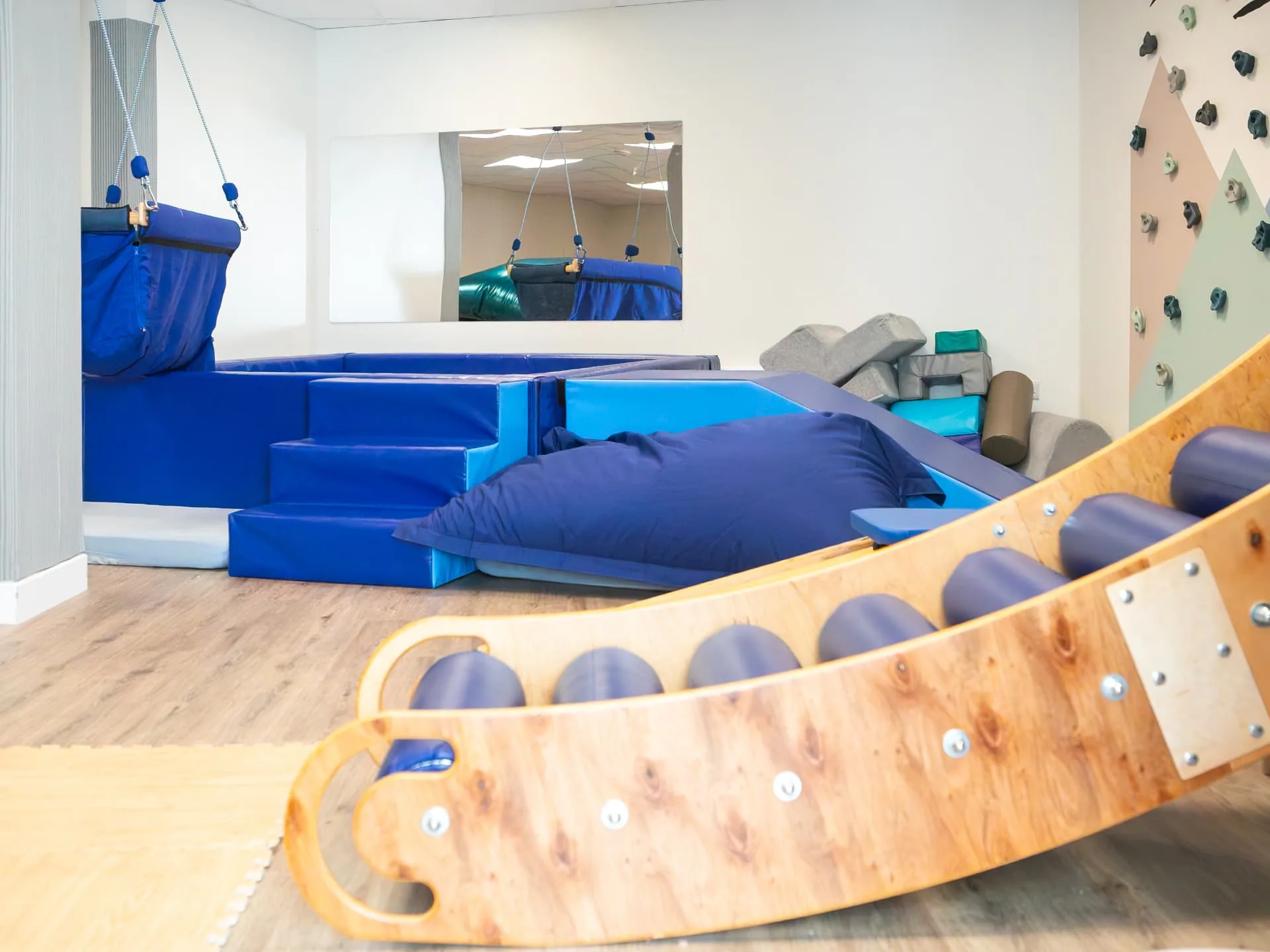
The Connect soft play room with a therapy swing, crash mats, a climbing wall and a wooden roller slide

SEND Expertise

Our team has extensive experience supporting children and young people with special educational needs and disabilities, including those with complex and overlapping presentations. We understand that SEND rarely affects just one area of a child’s life. Sensory differences may influence learning, eating, sleep, relationships or accessing the community. Anxiety and dysregulation may affect a child’s ability to demonstrate skills they have when they feel safe. Difficulties at school can have a significant impact on the child and their whole family at home. Rather than looking at each difficulty separately, our Occupational Therapists bring information together to develop a whole picture of the child, their environment and their everyday life.

Working With Schools

We work closely with mainstream schools, specialist education settings, alternative provisions and other educational environments. We want our recommendations to be more than words within a report. We help education teams understand why something may be difficult for a child and what can realistically be done within everyday school life to support them. Our work may include:

  • Occupational Therapy assessments and observations
  • Direct intervention
  • Sensory and regulation support
  • Environmental assessments
  • Individualised strategies and programmes
  • Staff consultation and modelling
  • Training
  • Collaborative goal setting
  • EHCP assessment, outcomes and provision
  • Support around access to education
  • Multidisciplinary meetings and liaison

Working Together

Children don’t exist in isolation — and neither should therapy. Some of the most meaningful changes happen when everyone around a child develops a shared understanding of their needs. We value the knowledge each professional brings, but most importantly, we recognise the expertise of the child or young person and their family. With appropriate consent, we work collaboratively with parents, carers, education teams and professionals including:

  • SENCOs and teaching staff
  • Speech and Language Therapists
  • Educational Psychologists
  • Clinical Psychologists
  • Psychotherapists and counsellors
  • Social care professionals
  • Local Authorities
  • Health professionals
  • Other specialist services involved with the child
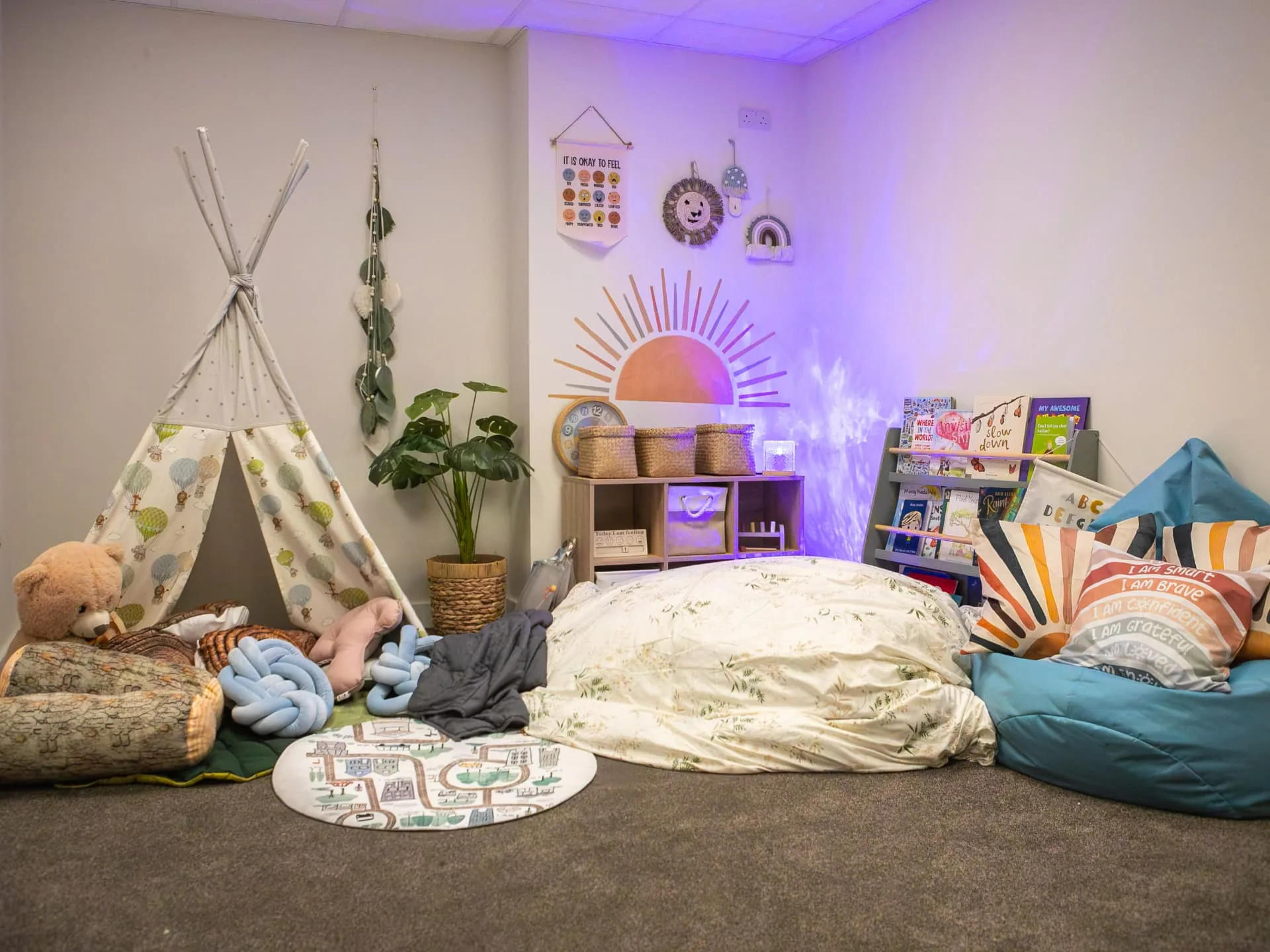
The Connect sensory room with a teepee, beanbags, soft purple lighting and a bookshelf

A Multidisciplinary Approach

Where appropriate, Connect works alongside professionals from other disciplines to provide a joined-up, multidisciplinary approach. This can be particularly valuable when a child’s presentation is complex and one professional perspective alone cannot explain the whole picture. We believe collaboration should mean more than professionals simply producing separate reports. It should mean sharing knowledge, asking questions, considering different perspectives and developing recommendations that work together. Our aim is for children, families and schools to receive a coherent understanding of need and a practical way forward.

Award-Winning Care With Inclusion at Our Heart

We are incredibly proud that Connect’s work has been recognised through awards celebrating equality, inclusion and the difference inclusive practice can make. For us, recognition is about more than an award. It gives us an opportunity to raise the profile of children and young people whose experiences and needs are not always understood, and to advocate for environments and services where every child feels that they belong. We continue to use our voice to champion inclusion, neurodiversity-affirming practice and better understanding of SEND. Because every child and young person deserves the opportunity not simply to access life — but to belong, participate and thrive.

More Than the Therapy Room

For us, the success of Occupational Therapy isn’t simply whether a child can complete an activity during a session. Those are the changes that matter to us. Success might be…

  • A child beginning to understand their own sensory needs.
  • A young person being able to communicate, “I need a break.”
  • A family finally understanding why mornings have become so difficult.
  • A teacher recognising dysregulation rather than seeing defiance.
  • A young person returning to an activity or environment they previously couldn’t access.
  • A child becoming more independent in something that matters to them.
  • A school adapting an environment so a child can participate without constantly having to change themselves.
A smiling toddler peeking out from the ball pit in the Connect soft play room

Why Choose Connect?

Families, schools and professionals choose Connect because we bring together:

  • +Specialist Paediatric Occupational Therapy expertiseExperienced clinicians with specialist knowledge of SEND, neurodevelopment, sensory processing, regulation and participation.
  • +Specialist facilitiesPurpose-designed assessment, therapy and Sensory Integration environments.
  • +Individualised assessment and interventionWe don’t offer a one-size-fits-all approach. Our work is guided by the individual child, their needs and the questions that need answering.
  • +Neurodiversity-affirming practiceWe focus on understanding, autonomy, participation and self-advocacy rather than compliance or changing who a child is.
  • +Real-world Occupational TherapyOur focus is on meaningful everyday occupations across home, education and community life.
  • +Collaborative and multidisciplinary workingWe work alongside families, schools and other professionals to create a shared understanding.
  • +Practical recommendationsWe want our reports and strategies to make sense and, most importantly, to be usable in everyday life.
  • +The child’s voiceChildren and young people are not passive recipients of therapy. Their experiences, priorities, preferences and goals should be central to the process.
  • +A team that genuinely caresBehind every assessment, report, school visit and therapy session is a team that wants children and young people to feel understood and supported to live the lives that matter to them.

Not sure where to begin?

We'll help you work out the right next step.

Let's talk

Ready when you are.

Start with a free 30-minute conversation about your child, your questions and what might help.

Talk to our team