Connect Specialist Therapy
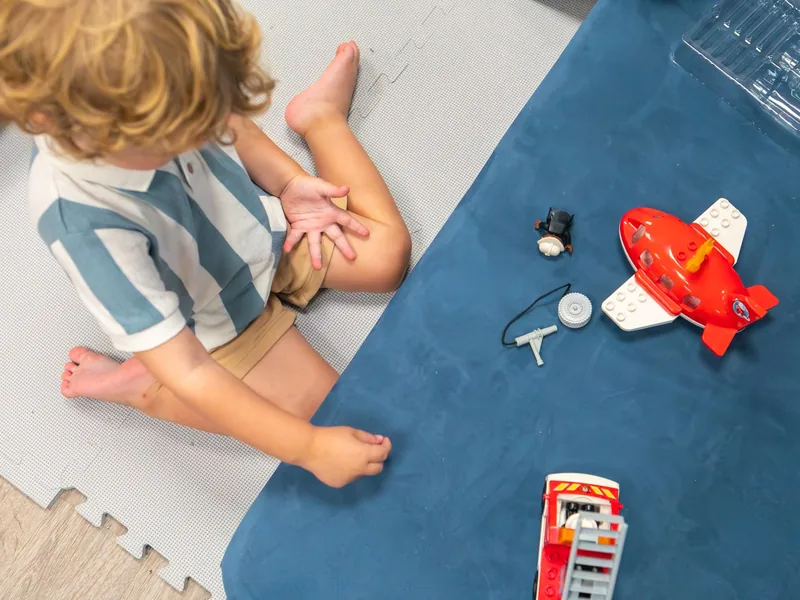
A young boy sitting on a floor mat playing with a toy plane and fire engine at the Connect clinic

The everyday activities that matter.

A Paediatric Occupational Therapy Functional Assessment looks at how a child or young person manages and participates in the everyday activities that are important to them — rather than focusing on a diagnosis or one area of difficulty in isolation.

Understanding everyday participation.

The whole child

Rather than focusing on a diagnosis or one area of difficulty in isolation, our Occupational Therapists consider the whole child — their strengths, needs, environment and the demands of the activities they are expected or want to take part in.
Tailored to your child

The assessment is tailored to the individual child and the reason for referral. It may explore areas such as self-care and independence, dressing, eating and mealtimes, toileting, fine and gross motor skills, handwriting, coordination, motor planning, sensory processing, regulation, attention, executive functioning, play, leisure, school participation and community access.

How we build the picture

The assessment typically brings together several sources of information to build a meaningful picture of the child's everyday functioning. This may include:

  • A detailed Occupational Therapy history with the parent/carer and, where appropriate, the young person
  • Discussion of the child's strengths, interests and priorities
  • Standardised or non-standardised assessment tools selected according to the child's needs
  • Functional and clinical observations through activities and tasks
  • Exploration of motor, sensory, perceptual and organisational skills where relevant
  • Assessment of everyday activities such as handwriting, dressing or other self-care skills where these are an identified concern
  • Consideration of sensory processing and regulation
  • School or education observation, where appropriate, to understand how the child functions within their everyday learning environment
  • Liaison with school and other professionals, with appropriate consent
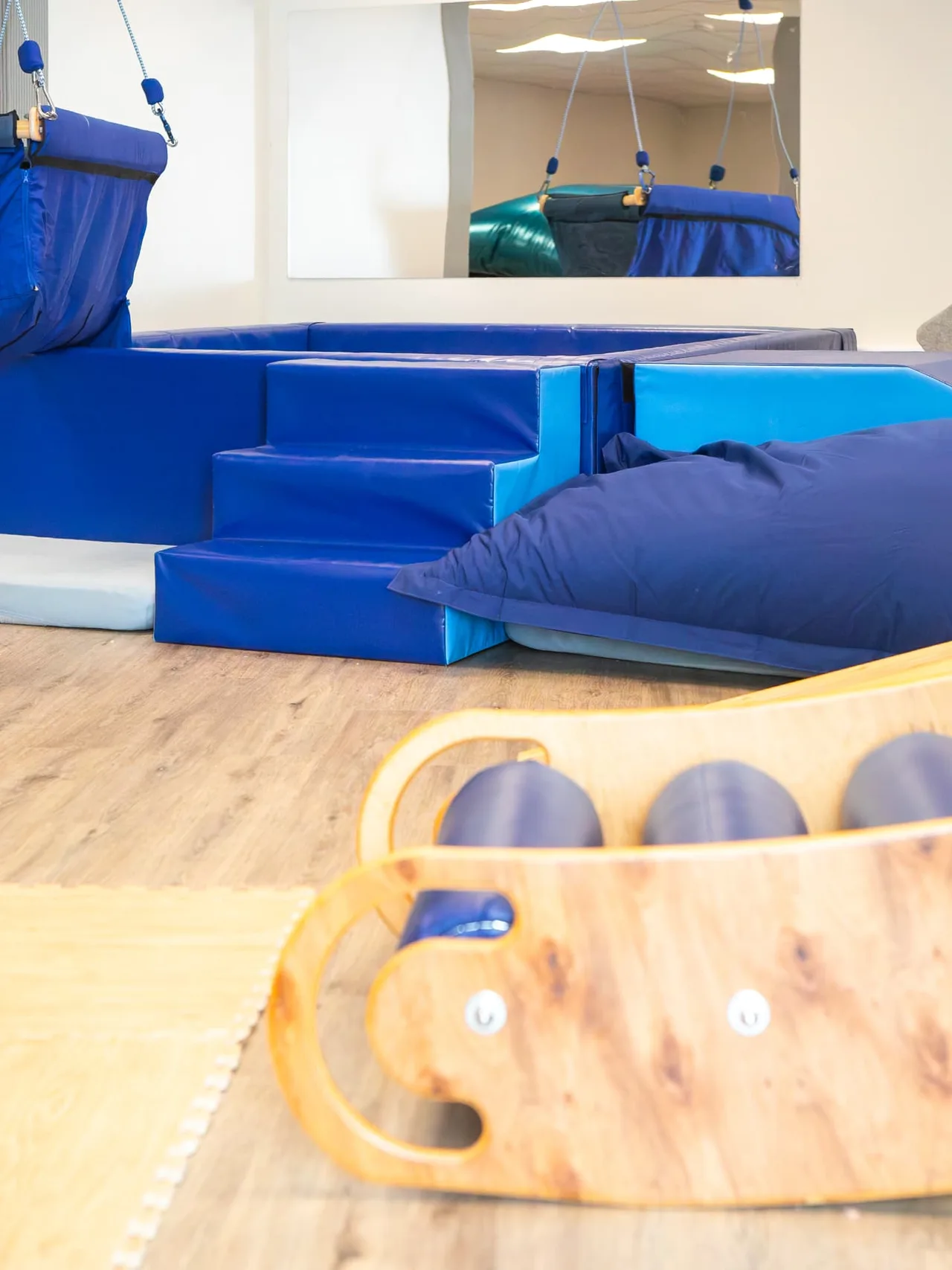
Soft play steps, crash mats and a therapy swing in the Connect soft play room

More than whether a child can do something

Importantly, we don't simply look at whether a child can complete an activity. We consider how they complete it, how much effort it requires, what support they need, what may be creating a barrier and how successfully they can participate across different environments.

Integrated Sensory-Cognitive Occupational Therapy (ISC-OT)

Integrated Sensory-Cognitive Occupational Therapy (ISC-OT) is a specialist intervention combining:

  • Ayres Sensory Integration® (ASI)
  • Cognitive Behavioural Therapy-informed practice
  • Functional, occupation-focused OT
  • Trauma- and attachment-informed approaches

Who ISC-OT is for

This model is uniquely suited to young people who present with a combination of sensory, emotional, cognitive, and functional needs, particularly those who are neurodivergent or have experienced developmental trauma.

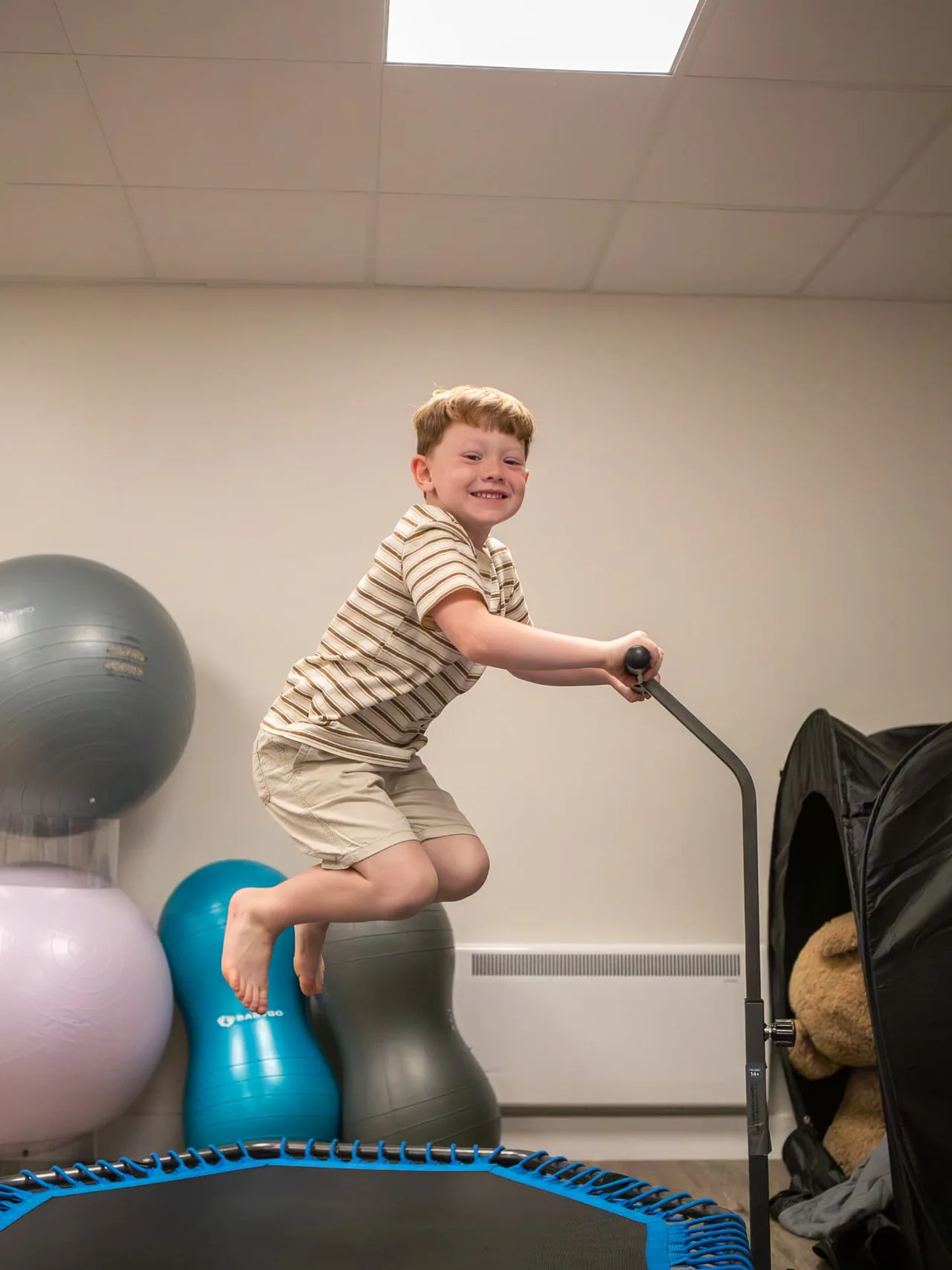
A boy bouncing on the small trampoline in the soft play room

What ISC-OT directly targets

ISC-OT directly targets the young person's ability to:

  • Regulate emotions and sensory input
  • Engage in learning
  • Develop independence
  • Participate in social and community life
  • Prepare for adulthood

Common presentations we support

Many young people referred to OT present with complex, overlapping needs that cannot be met by single-discipline approaches. Common presentations include:

  • Sensory overwhelm, shutdowns, or dysregulation
  • Anxiety linked to school, transitions, or social situations
  • Executive functioning difficulties
  • Reduced attendance or school avoidance
  • Challenges with independence and daily living
  • Trauma-related regulation difficulties
  • Barriers to accessing education and community life

Why an integrated approach

Traditional CBT alone is often ineffective for neurodivergent young people because cognitive strategies require a regulated sensory system. Similarly, sensory-only approaches may not address the cognitive and behavioural patterns that maintain anxiety or avoidance. ISC-OT bridges this gap by integrating body-based regulation, cognitive strategies, and functional skill development.

Not sure where to begin?

We'll help you work out the right next step.

Let's talk

Ready when you are.

Start with a free 30-minute conversation about your child, your questions and what might help.

Talk to our team